
Introduction
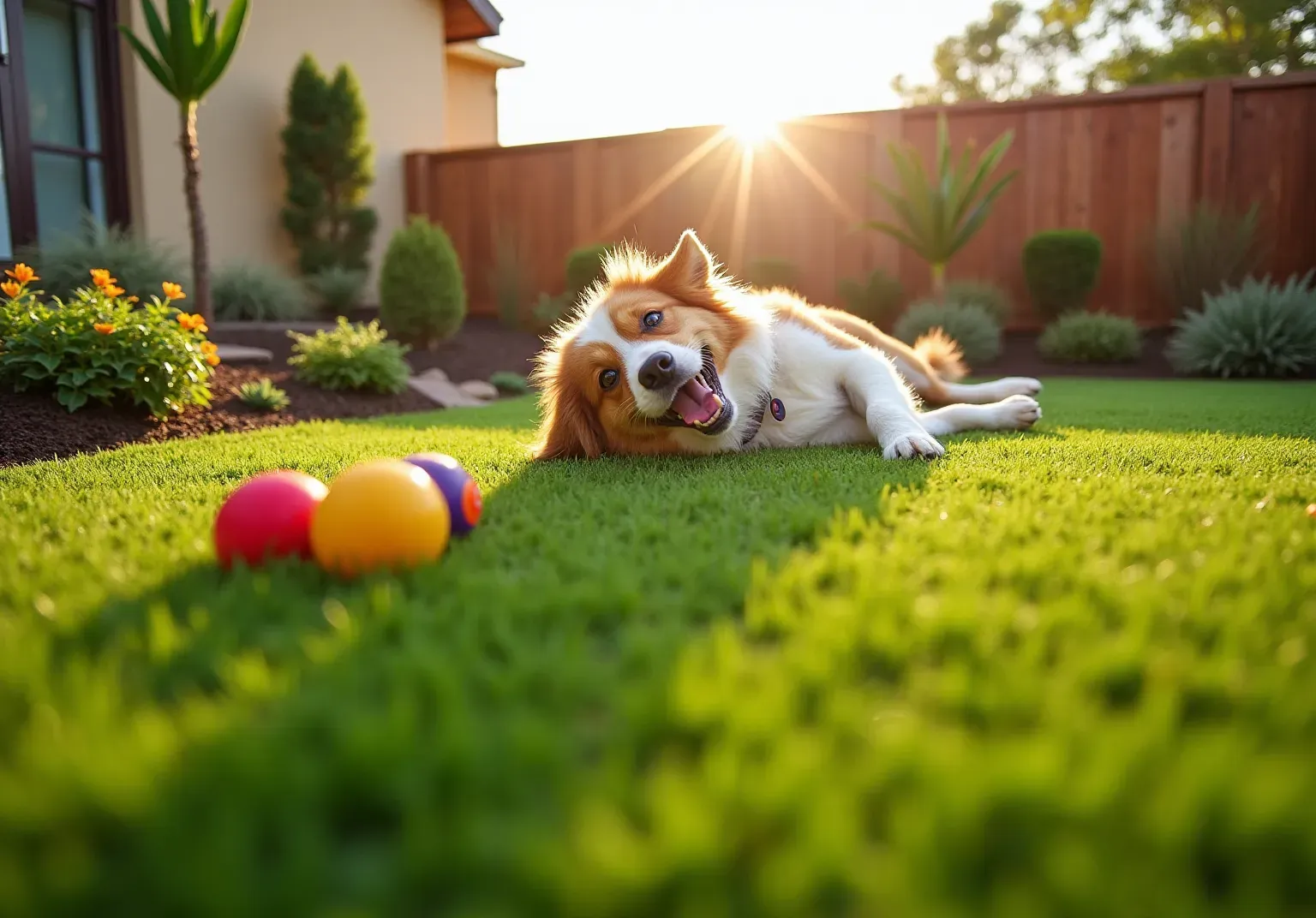
Transforming a yard into a lush, green oasis may appear daunting, particularly when it comes to installing artificial turf. However, with proper preparation and guidance, homeowners can create a vibrant lawn that enhances both aesthetic appeal and functionality. This article outlines the essential steps for successfully installing artificial turf, including evaluating the yard, selecting the right materials, and ensuring proper drainage and maintenance.
Key considerations include:
- Yard Evaluation: Assess the current state of your yard to determine the best approach for installation.
- Material Selection: Choose high-quality artificial turf that meets your specific needs.
- Drainage Solutions: Implement effective drainage systems to prevent water accumulation.
- Maintenance Practices: Establish a routine for maintaining your artificial lawn to keep it looking its best.
Despite the straightforward nature of this project, common pitfalls can derail progress. Understanding these challenges and how to avoid them is crucial for achieving a flawless finish.
Plan and Prepare for Installation
- Evaluate Your Yard: Begin by measuring the area designated for grass installation. Note the shape and any obstacles, such as trees, flower beds, or pathways, that may influence the layout. This evaluation is crucial for learning how to install in your yard, as it helps determine the quantity of grass needed and ensures a seamless fit.
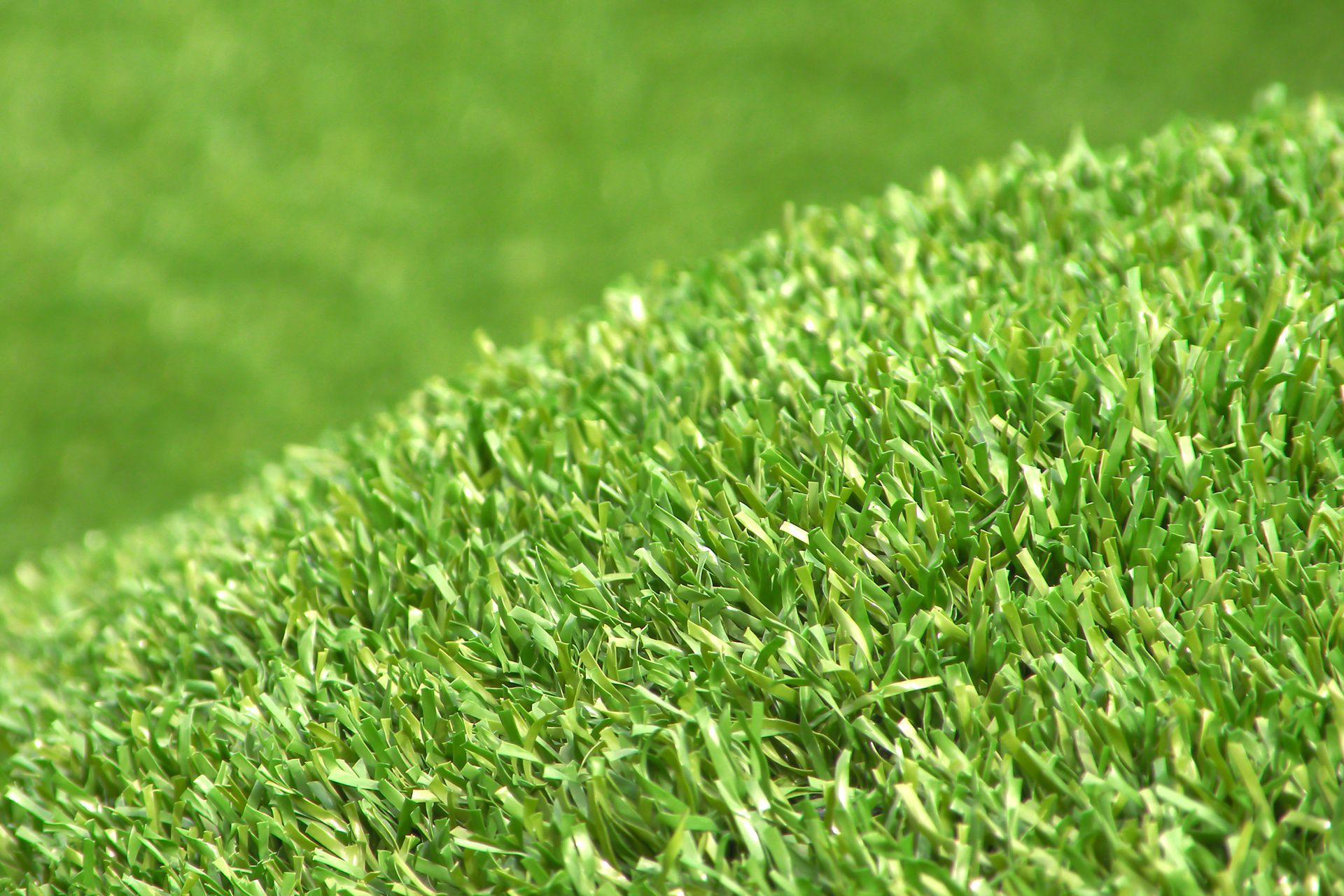
- Choose the Right Turf: Selecting the appropriate type of artificial grass is vital based on your intended use. For example, if you are creating a , opt for grass designed for that purpose, which mimics the feel of natural grass. For pet areas, consider durable, that are easy to clean. Playground surfaces should prioritize safety features, such as padded undercushioning, to protect children during play. offers a variety of stylish options that are built to last and require minimal maintenance, ensuring a hassle-free lawn.
- Check to understand , as it's important to verify any local rules or restrictions regarding artificial grass installations. Some areas may have specific guidelines that must be followed, ensuring compliance and avoiding potential issues in the future.
- It is important to plan for drainage when learning how to install in your yard to prevent . Assess the natural incline of your yard and plan how water will flow away from the grass area. Incorporating can enhance the longevity and performance of your artificial grass.
- Visualize the Layout: Create a drawing of your grass setup layout. This visual representation will assist in in your yard and making any necessary adjustments prior to installation. It can also help in evaluating how the grass will integrate with existing landscaping elements. can assist you in creating a personalized grass solution that suits your area and lifestyle. Initiate your free consultation today to bring your yard to life!
In 2025, the average cost of installing synthetic grass in Southern California ranges from $5 to $20 per square foot, depending on the type of grass and installation complexity. Homeowners can anticipate , making this investment worthwhile. As noted by industry specialists, thoroughly evaluating your yard and selecting the appropriate grass can lead to enhancements that improve both the aesthetic and functional value of your outdoor space.

Gather Tools and Materials
To successfully install in your yard, begin by gathering the essential :
- Essential Tools: Equip yourself with a , and a plate compactor. These tools are crucial for preparing the site and ensuring a stable foundation for the grass. For larger areas, consider renting a sod cutter or a power broom to expedite the process.
- Materials Needed: Acquire , a (overlapping seams by 3-6 inches), and (2-3 inches) for the base. Additionally, use 7-inch galvanized nails or landscape staples to secure the grass effectively.
- Safety Gear: Protect yourself during setup by wearing gloves, safety glasses, and knee pads. This gear will help prevent injuries and ensure a more comfortable working experience.
- Optional Tools: Depending on the scale of your project, you might find it beneficial to use a grass cutter for precise cuts and a power broom for maintaining the grass's appearance after installation.
- : Ensure you dig the soil to a depth of approximately 3-4 inches to create a firm foundation for the grass placement.
- Utility Check: Before excavation, remember to in the dig site.
By preparing thoroughly with the appropriate , you establish the groundwork for how to install in your yard successfully, which enhances your outdoor area.

Prepare the Ground Surface
- : Begin by removing any existing grass, weeds, and debris from the setup site. This step is crucial as it ensures a clean base for the grass, which is an essential aspect of , preventing future issues such as uneven surfaces or weed growth. Successful setups often start with thorough site clearing, which minimizes later on.
- : Dig down approximately 2-4 inches to create a level base. Understanding involves ensuring that this excavation depth is vital for accommodating the base material and . Removing the topsoil helps prevent natural soil shifting, which can lead to uneven ground over time.
- : Lay down a durable weed barrier fabric across the entire surface before adding the base material. This barrier is essential when considering , as it prevents weeds from developing beneath the grass, contributing to a healthier and more durable installation. Securing the barrier with landscape staples every 3 feet enhances its effectiveness and is a recommended practice for ensuring long-term results.
- : Spread a layer of crushed granite, decomposed granite, or road base, about 2-4 inches thick, and compact it thoroughly to create a stable surface. Aim for a compaction density of approximately 90% to prevent sagging or wrinkling of the grass. This solid foundation is crucial for understanding and ensuring its longevity.
- : Use a rake to level the base and ensure by creating a slight slope away from structures. A gradient of about 1 inch for every 8-10 feet helps avoid water pooling, which can damage the turf and lead to . Additionally, consider adding a leveling layer of sharp sand or fine decomposed granite after compacting the sub-base for a smoother surface. Proper leveling is essential when considering to achieve a smooth and functional .

Install and Secure the Turf
- To learn , start by rolling out the grass over the prepared area, ensuring it fits snugly against edges and corners for a seamless appearance. Avoid dragging the grass to prevent damage to the backing or fibers. For tailored guidance on , consider starting your free consultation with as you embark on this step.
- : Utilize a sharp utility knife to trim the grass around obstacles and edges. When cutting, ensure the grass fibers point in the same direction for a uniform look. This technique not only enhances aesthetics but also ensures durability at the seams.
- To understand , it is essential to properly . Use landscape nails or staples to and at seams, placing them every 6-8 inches. This prevents movement and maintains the integrity of the setup. For added strength, consider using , as recommended by SGW Sacramento.
- : If your project involves multiple sections of grass, overlap the edges by 3-6 inches and apply seam tape and adhesive to bond them together. This method creates a robust, weather-resistant join that enhances the overall stability of .
- : After securing the grass, use a stiff-bristled brush to fluff the fibers against the grain. This step not only helps the fibers stand upright but also contributes to a natural look, ensuring your new lawn appears lush and inviting. Regular brushing will maintain the grass's appearance and prevent matting over time.
The average duration required to learn typically varies from a few hours to a couple of days, depending on the size of the area and the complexity of the installation.
For personalized guidance and to explore and , initiate your free consultation with California Lawn Company today!

Finalize Installation and Maintenance Tips
- : If necessary, to weigh down the grass and keep the blades upright. This step is crucial for of the turf.
- : After adding infill, to ensure even distribution. This helps to enhance the overall look and performance of the grass.
- : Periodically rinse the turf to remove dust and debris. Regular cleaning is essential for preserving the turf's quality and longevity.
- : immediately. This prevents odors and staining, ensuring the turf remains fresh and appealing.
- : Regularly check for any loose edges or seams. Prompt repairs are necessary to maintain the integrity of the installation and prevent further damage.

Conclusion
Successfully installing artificial turf in your yard requires careful planning and execution to achieve a beautiful and functional outdoor space. Homeowners can transform their lawns into vibrant, low-maintenance areas that enhance both aesthetics and usability by following the outlined steps.
Key Steps for Successful Installation:
- Evaluate Your Yard: Assess the space to determine the best type of turf for your needs.
- Select the Right Turf: Choose a turf that suits your climate and usage requirements.
- Adhere to Local Regulations: Ensure compliance with any local guidelines regarding turf installation.
- Ensure Proper Drainage: Plan for adequate drainage to prevent water accumulation.
- Prepare the Ground Surface: Thoroughly prepare the area to ensure a stable foundation for the turf.
Each step, from gathering the necessary tools and materials to securing the turf and maintaining it post-installation, plays a crucial role in the overall success of the project. Homeowners are encouraged to visualize their layout and consider professional assistance to ensure a seamless installation process.
Ultimately, embracing the process of installing artificial turf leads to significant long-term savings on maintenance and water costs. It also elevates the enjoyment and functionality of outdoor spaces. With the right preparation and care, artificial grass can provide a lush, green environment that remains beautiful year-round, making it a worthwhile investment for any homeowner looking to enhance their yard.
Frequently Asked Questions
What is the first step in planning for artificial turf installation?
The first step is to evaluate your yard by measuring the designated area for grass installation and noting any obstacles such as trees, flower beds, or pathways.
How do I choose the right type of artificial turf?
Selecting the appropriate type of artificial grass depends on its intended use. For example, choose grass designed for putting greens, durable options for pet areas, or playground surfaces that prioritize safety features.
Are there any local regulations I need to check before installing artificial turf?
Yes, it is important to check local regulations regarding artificial grass installations, as some areas may have specific guidelines that must be followed.
How should I plan for drainage when installing artificial turf?
Assess the natural incline of your yard and plan how water will flow away from the grass area to prevent water accumulation. Incorporating drainage solutions will enhance the longevity and performance of your artificial grass.
What should I include in a layout visualization for the turf installation?
Create a drawing of your grass setup layout to assist in planning and making necessary adjustments prior to installation, ensuring it integrates well with existing landscaping elements.
What is the average cost of installing synthetic grass in Southern California as of 2025?
The average cost ranges from $5 to $20 per square foot, depending on the type of grass and installation complexity.
What essential tools do I need for installing artificial turf?
Essential tools include a shovel, rake, utility knife, and a plate compactor. For larger areas, a sod cutter or power broom may be beneficial.
What materials are needed for the installation?
You will need high-quality synthetic grass, a weed barrier, a layer of crushed stone or gravel for the base, and 7-inch galvanized nails or landscape staples to secure the grass.
What safety gear should I wear during installation?
It is recommended to wear gloves, safety glasses, and knee pads to protect yourself and ensure a comfortable working experience.
What is the recommended excavation depth for installing artificial turf?
You should dig the soil to a depth of approximately 3-4 inches to create a firm foundation for the grass placement.
What should I do before starting excavation?
Before excavation, call 811 to check for any underground utilities in the dig site to avoid damaging them.
List of Sources
- Plan and Prepare for Installation
- How landscape professionals in Burbank and Calabasas use artificial grass to reduce maintenance costs - Pro Landscaper USA (https://prolandscapermagazine.com/us/2025/11/14/how-landscape-professionals-in-burbank-and-calabasas-use-artificial-grass-to-reduce-maintenance-costs)
- globalgrowthinsights.com (https://globalgrowthinsights.com/market-reports/artificial-grass-turf-market-115102)
- Top Trends in Artificial Turf for 2025: What to Expect - The Turf Yard (https://theturfyard.com/top-trends-in-artificial-turf-for-2025-what-to-expect)
- socalgreens.com (https://socalgreens.com/design-trends-in-synthetic-turf-and-hardscapes-for-2025)
- Gather Tools and Materials
- How to Install Artificial Turf in Your Yard: A Step-by-Step Guide (https://tomahawk-power.com/blogs/articles/how-to-install-artificial-turf-in-your-yard-a-step-by-step-guide?srsltid=AfmBOoozBAR6jB55K72S6cgUHk6H7hFTsaQ3gjPsePCcKzeUDgDBojMd)
- How to Install Artificial Grass on Soil | US Turf (https://usturfsandiego.com/news/how-to-install-artificial-grass-on-soil)
- Artificial Turf Material Supply List For Any Installation (https://turfkingz.com/resources/artificial-turf-material-supply-list)
- A Step-by-Step Guide to Installing Artificial Turf Grass (https://lowes.com/n/how-to/install-artificial-grass)
- syntheticturfnorthwest.com (https://syntheticturfnorthwest.com/a-helpful-guide-to-installing-synthetic-turf-diy)
- Prepare the Ground Surface
- shawgrass.com (https://shawgrass.com/about/news-blog/how-to-prep-for-artificial-grass-installation)
- A Step-by-Step Guide to Installing Artificial Turf Grass (https://lowes.com/n/how-to/install-artificial-grass)
- How to Install Artificial Grass on Soil | US Turf (https://usturfsandiego.com/news/how-to-install-artificial-grass-on-soil)
- lawnpop.com (https://lawnpop.com/how-to-prepare-the-ground-before-laying-artificial-grass)
- Exploring the Prep Work for Artificial Grass Installation (https://realturf.com/us/a-look-at-the-prep-work-needed-for-artificial-grass-installation-on-lawns)
- Install and Secure the Turf
- The Essential Guide to Securing Artificial Grass During Your Installations - SGW Sacramento (https://sgwsacramento.com/blog/the-essential-guide-to-securing-artificial-grass-during-your-installations)
- A Step-by-Step Guide to Installing Artificial Turf Grass (https://lowes.com/n/how-to/install-artificial-grass)
- ccgrass.com (https://ccgrass.com/how-to-secure-artificial-grass-properly)
- petgrows.com (https://petgrows.com/blogs/news/mastering-the-art-of-artificial-turf-installation-a-step-by-step-guide)
- How to Install Artificial Grass on Soil | US Turf (https://usturfsandiego.com/news/how-to-install-artificial-grass-on-soil)
- Finalize Installation and Maintenance Tips
- Artificial Grass Maintenance Tips | Synthetic Turf Northwest (https://syntheticturfnorthwest.com/maintenance-tips-for-your-synthetic-turf)
- syntheticturftc.com (https://syntheticturftc.com/pro-tips-for-a-successful-artificial-turf-grass-installation-expert-advice-for-a-perfect-outcome)
- Artificial Turf Maintenance Guide | Cleaning & Care Tips (https://fieldturflandscape.com/maintenance/artificial-turf-maintenance-guide)
- How to Keep Artificial Turf Clean Year-Round | US Turf (https://usturfsandiego.com/news/how-to-keep-artificial-turf-clean)
- How To Maintain & Care For Your Synthetic Grass | SGW (https://syntheticgrasswarehouse.com/resources/maintenance-care)