
March 18, 2026
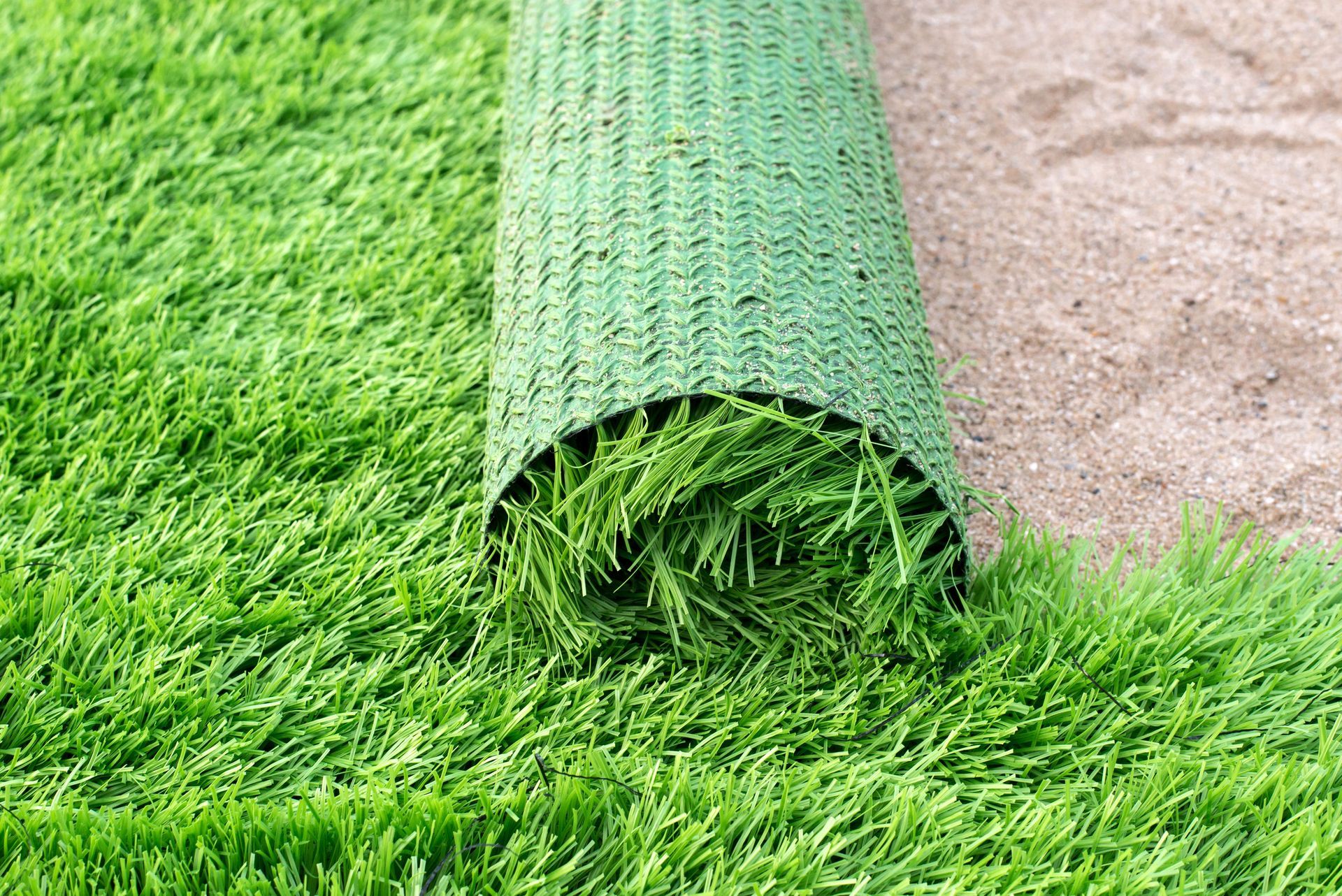
In recent years, artificial grass has become a popular option for homeowners seeking low-maintenance, aesthetic lawns. This guide will walk you through the process of planning and installing synthetic turf on your residential property. Artificial grass provides a solution for those who want a green lawn without the rigorous and regular labor conventional lawns require. Amidst growing environmental concerns, it offers a sustainable choice that aligns with eco-friendly practices. Choosing a professional artificial grass installation ensures that your property receives a high-quality transformation that lasts for many years. As interest in these products grows, the necessity for a clear and thorough guide on how to effectively manage this unique home improvement project becomes paramount.
Improving Home Efficiency with Artificial Turf
One of the primary drivers for homeowners choosing this path is the incredible reduction in daily upkeep. Artificial grass significantly reduces the amount of maintenance in comparison to natural lawns. Homeowners can save time and resources as it requires no mowing, watering, or fertilizing. This aspect is particularly beneficial for those with busy schedules or limited mobility. With synthetic turf, the effort typically spent on lawn care can now be redirected toward more enjoyable activities. The liberation from regular lawn chores marks a major appeal for many seeking low-maintenance landscaping solutions that still look beautiful year-round.
Conserving Vital Water Resources in
Residential Areas
Water conservation is a critical advantage of a modern artificial grass installation. Traditional lawns can require substantial amounts of water to maintain their lush, green appearance, especially in dry climates. To put this in perspective, according to AstroTurf, about 600,000 to 1.5 million gallons of water are used every single year just to maintain one football field made of natural grass. This staggering statistic illustrates the substantial water savings potential when opting for synthetic turf. By choosing these advanced systems, homeowners contribute to the global initiative of reducing water usage while maintaining a perfect aesthetic.
Achieving Long Term Durability and
Property Value
Artificial grass is engineered to withstand harsh conditions, offering remarkable durability. Its materials are designed to endure constant exposure to sunlight, heavy foot traffic, and various weather conditions. Unlike natural grass that can brown or die in adverse conditions, synthetic turf maintains its color and integrity over time. This resilience makes it ideal for families, especially those with children or pets. The robust nature of a professional artificial grass installation translates into longer life spans and fewer replacements. This capability allows homeowners to have peace of mind regarding their lawn's appearance under various conditions for a decade or more.
Selecting the Ideal Materials for Your Landscape
Various materials are used in the manufacturing of artificial grass, each with distinct properties. Polyethylene, polypropylene, and nylon are commonly used materials in synthetic turf production. Polyethylene is favored for its balance between softness and durability, providing a comfortable yet resilient surface. Choosing the right material for an artificial grass installation depends on the intended use and desired characteristics. For general residential gardens subject to regular wear, polyethylene offers a practical choice. Conversely, areas requiring high foot traffic coverage or intense play activities may benefit from the superior strength found in nylon options.
Customizing Pile Height and Turf Density
Pile height in artificial grass refers to the length of its blades, impacting both appearance and function. Shorter pile heights facilitate minimal maintenance and quick drainage, making them ideal for heavily used areas. In contrast, longer pile heights provide a lush, natural look favored for aesthetic appearances. Simultaneously, density refers to the number of blades per square meter, impacting durability and comfort. Higher density often correlates with a more luxurious feel. Identifying the appropriate density ensures optimal performance throughout varying uses and conditions, making the artificial grass installation a perfect fit for your specific lifestyle needs.
Enhancing Visual Appeal Through Color Selection
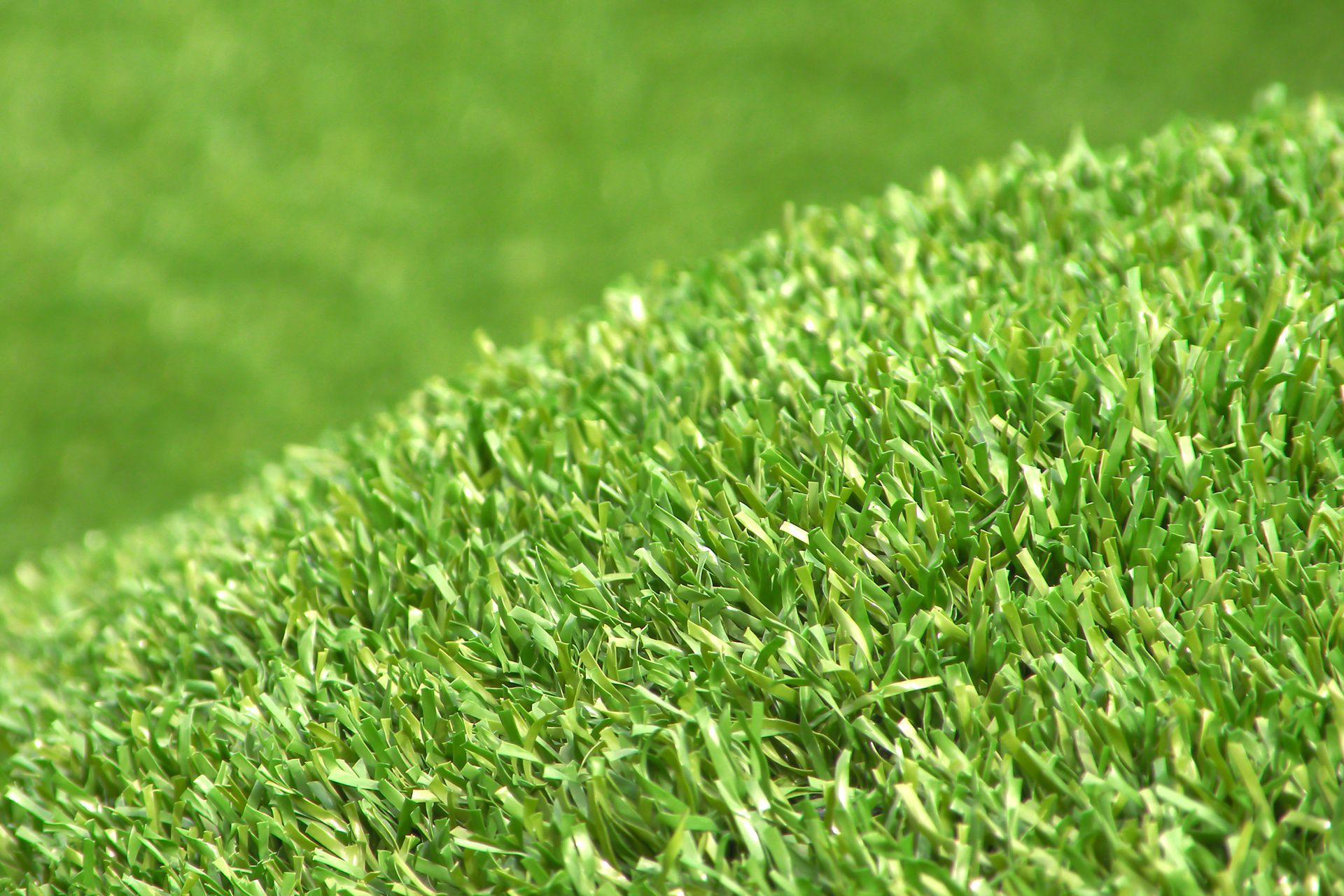
The variety of color and texture options in artificial grass enhances its adaptability for various landscaping projects. Different shades of green, from rich emerald to subtle olive, replicate the appearance of natural grass. Many manufacturers also include brown flecks to mimic the organic thatch layer, further enhancing authenticity. The spectrum of colors and textures available enables personalized selections, accommodating diverse aesthetic goals. Homeowners can produce visually distinct and individualized landscape designs utilizing these diverse offerings, ensuring that the artificial grass installation complements the architectural style of the home perfectly.
Ensuring Lasting Quality with UV Protection
UV resistance is an essential consideration in turf selection, determining long-term color retention and durability. Prolonged exposure to sunlight can degrade synthetic turf, causing fading and deterioration without adequate protection. Products with robust UV inhibitors maintain vibrant colors and material integrity over extended periods. The assurance of UV resilience signifies quality and long-lasting beauty, aligning with the investment expectations of homeowners. Opting for UV-resistant versions ensures that your artificial grass installation stays green even in the most intense summer sun, providing a reliable and beautiful outdoor space for years.
Investing Wisely in Quality Outdoor Surfaces
The decision to move forward with a project involves a rigorous evaluation of budget and quality considerations. Higher budget allocations allow for advanced features such as enhanced durability, diverse textures, and prolonged warranties. However, more affordable options still offer satisfactory functionality, serving various landscape needs effectively. Balancing personal budget constraints with desired outcomes is crucial for a successful investment. A professional artificial grass installation is a strategic prioritization conducive to long-lasting solutions. Successful calculations account for both immediate expenditures and anticipated long-term savings on water bills and landscaping services.
Measuring the Area for Perfect Coverage
Accurate measurements are foundational to preparing your lawn for a new surface. Carefully mapping the dimensions of the intended installation zone ensures sufficient material coverage. Missteps in measurement can result in either material shortages or excessive surplus, directly impacting budget adherence. Measuring along the longest straight lines of the targeted area ensures consistency and clarity. This methodical approach establishes the initial stage for a successful artificial grass installation. During the measurement process, it is vital to allow for a small amount of additional material to accommodate edges and seams for a seamless look.
Optimizing Drainage for All Weather Conditions
Proper drainage is vital to an artificial grass installation, preventing water accumulation and related issues. Assessment of pre-existing drainage capabilities is integral in identifying particular modifications requisite for ensuring compatible results. Poor drainage introduces risks related to standing water and can cause damage to the sub-base. Before the turf goes down, natural rainwater collection and release patterns must be addressed. A strategic approach includes incorporating a gravel base layer beneath the synthetic grass, promoting both stability and drainage. This ensures that even during heavy rains, the lawn remains usable and free of puddles.
Transitioning to a synthetic lawn is a significant home improvement that offers a wealth of benefits, from environmental conservation to personal time savings. By following these professional steps, you ensure that your landscape remains a source of pride and relaxation. A high-quality artificial grass installation provides a durable, evergreen solution that withstands the elements and the rigors of daily life. Embracing this modern landscaping shift allows you to enjoy a perfect yard without the traditional headaches of mowing and fertilizing. To get started on your own yard transformation with top-tier materials and service, reach out to the California Turf Company today.